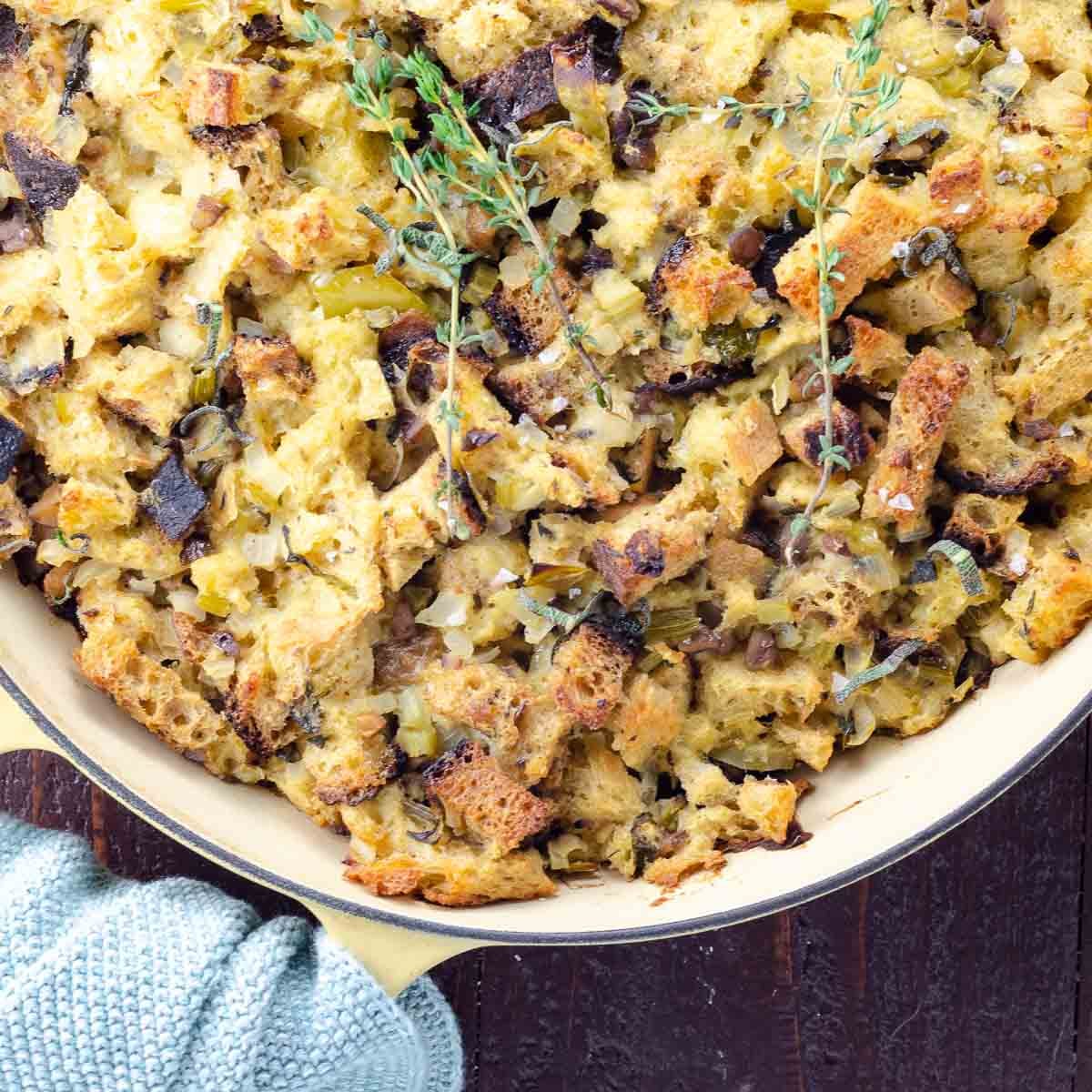
Classic Vegetarian Stuffing: The Heart of Your Modern Holiday Table
The aroma of holiday cooking is often intertwined with cherished memories, but the modern holiday table brings with it a delightful challenge: catering to a diverse array of dietary preferences. Gone are the days when a single, meat-laden stuffing sufficed for every guest. Today, hosts are seeking dishes that are both deeply traditional and wonderfully inclusive. Enter the classic
vegetarian stuffing – a savory, satisfying staple that not only holds its own alongside a grand turkey but shines brightly as a standalone star, ensuring everyone has a delicious reason to gather around the table.
This isn't just any side dish; it's a culinary bridge between generations, a recipe rooted in comforting nostalgia yet thoughtfully updated for contemporary tastes. Imagine a stuffing that delivers a perfect harmony of textures – a delightfully crisp, golden-brown exterior giving way to a tender, custardy interior, each bite bursting with savory seasonal flavors. It’s surprisingly easy to assemble, incredibly satisfying, and with its prep-ahead friendly nature, it becomes an indispensable ally for any busy holiday cook. Whether your feast includes a grand roasted bird or celebrates a plant-based centerpiece, a well-crafted
vegetarian stuffing is an absolute must-have.
The Evolution of a Classic: Why Vegetarian Stuffing is a Must-Have
Holiday gatherings have evolved, embracing a wider spectrum of dietary choices from vegetarianism and veganism to various allergies and preferences. The beauty of a thoughtfully prepared
vegetarian stuffing lies in its universal appeal. It's a dish that respects different choices without sacrificing flavor or tradition. For many, stuffing is the ultimate comfort food, a vehicle for the warm, earthy flavors of autumn and winter. By making it vegetarian, you automatically broaden its reach, allowing more guests to partake in this beloved holiday ritual.
This isn't just a concession; it's an enhancement. A well-executed vegetarian stuffing doesn't merely replace meat; it elevates the natural goodness of its plant-based ingredients. It's an opportunity to highlight the richness of herbs, the sweetness of apples, and the earthiness of chestnuts, creating a flavor profile that is both familiar and exciting. Furthermore, its inherent flexibility means it can easily be adapted for vegan guests or even those with gluten sensitivities, truly making it a dish for *everyone*. This thoughtful approach to holiday cooking not only simplifies the host's duties but also fosters a more inclusive and joyful dining experience. For a quick and delicious option that's ready in a flash, you might also explore a
Minute Vegetarian Stuffing for a Savory, Satisfying Meal.
Crafting Culinary Excellence: Key Ingredients for Superior Stuffing
The magic of a truly outstanding
vegetarian stuffing lies in the quality and preparation of its core components. While seemingly simple, each ingredient plays a crucial role in achieving that coveted balance of flavor and texture.
The Foundation: Bread
The bedrock of any great stuffing is, of course, the bread. For an effortlessly delicious result, start with good-quality, store-bought dried bread cubes. Look for varieties made from artisan breads, which offer a more complex flavor and texture. Alternatively, if you prefer a homemade touch, select a good crusty bread – or even a mix of several types like sourdough, challah, or French bread. Cut them into ¾-inch cubes and dry them thoroughly. This can be done by leaving them out on baking sheets overnight, or for a quicker method, baking them in a 200°F oven for about an hour until completely dry.
The key is dryness; stale bread absorbs the flavorful broth without becoming mushy, ensuring that delightful crisp-to-soft contrast.
Aromatics and Earthy Delights
The soul of savory stuffing comes from its aromatics:
*
Onion and Celery: These classic mirepoix components form the flavorful base. The trick is to cut them nice and small – a fine dice ensures they almost "melt" into the mix, distributing their flavor evenly without dominating.
*
Garlic: While not always in every classic recipe, a clove or two of minced garlic adds a wonderful depth and pungency that truly rounds out the savory profile.
*
Herbs: Fresh herbs are non-negotiable for maximum impact. A generous hand with fresh sage and thyme infuses the stuffing with quintessential holiday flavors. If fresh isn't available, dried herbs can certainly be substituted, though you'll want to use about one-third the amount for dried vs. fresh. Adding a touch of dried parsley and marjoram, as some quick recipes suggest, can further enhance the herbaceous symphony.
*
Chestnuts: These provide a wonderfully earthy, slightly sweet note and a tender texture. Skip the tedious task of roasting and shelling your own; vacuum-sealed packages or jars of pre-cooked, shelled chestnuts are widely available during the holiday season and are a fantastic convenience.
*
Apple: A tart green apple, such as a Granny Smith, is a brilliant addition. Its acidity provides a counterpoint to the richness of the butter and broth, adding a subtle brightness and a hint of fruity sweetness that elevates the entire dish.
Richness and Binding: Fats, Broth, and Eggs
*
Butter: Opt for a good-quality salted butter. A cultured, grass-fed butter (like Kerrygold, widely available) offers a superior flavor profile that makes a noticeable difference. Its richness is key to sautéing the aromatics and coating the bread cubes.
*
Vegetable Broth: This is where much of the savory liquid magic happens. Choose a high-quality, flavorful vegetable broth. Taste your broth beforehand; it should be rich and savory, not watery or overly salty. This will directly impact the depth of flavor in your final stuffing.
*
Eggs: Beaten eggs act as a binder, helping the stuffing hold its shape and contributing to that wonderfully custardy interior texture.
Mastering the Method: Step-by-Step for Perfect Stuffing
Creating a truly memorable
vegetarian stuffing is a straightforward process that yields incredibly rewarding results. The key lies in layering flavors and textures effectively.
1.
Sauté the Aromatics: Begin by melting your quality butter in a large skillet. Add the finely diced onion, celery, minced garlic, chopped apple, chestnuts, and fresh herbs (sage and thyme). Sauté them gently until they are softened and fragrant. This step is crucial for developing the foundational savory flavors and ensuring the vegetables are tender within the final dish.
2.
Combine and Mix: Transfer the sautéed mixture from the skillet into a large mixing bowl. Add your dried bread cubes. Pour in the rich vegetable broth and the beaten eggs. Now, mix gently but thoroughly. The goal is to moisten all the bread cubes without mashing them. You want them to absorb the liquid evenly, preparing them for that delicious custardy texture inside.
3.
Bake to Perfection: Transfer the entire mixture into a large baking dish, spreading it evenly. Bake in a preheated oven until the top is golden brown and deliciously crisp, while the interior remains tender, moist, and custardy. The baking time will vary depending on your oven and dish size, but generally, expect it to take around 45-60 minutes at a moderate temperature (e.g., 375°F/190°C). For an extra crispy top, you can finish it with a few minutes under the broiler, keeping a very close eye on it to prevent burning.
Practical Tips for Stuffing Success:
*
Don't Overmix: Gentle mixing prevents the bread from breaking down too much, preserving the texture.
*
Moisture Balance: The amount of broth can vary slightly depending on how dry your bread is. Start with the suggested amount and add a little more if the mixture seems too dry; it should be moist but not swimming in liquid.
*
Prep-Ahead Perfection: Assemble the stuffing up to a day in advance. Cover it and refrigerate. On the day of your feast, simply bring it to room temperature before baking to ensure even cooking. This makes holiday meal prep significantly less stressful!
Vegan & Dietary Adaptations: Stuffing for Everyone
One of the greatest attributes of this classic recipe is its inherent adaptability, making it incredibly easy to cater to even more dietary needs.
*
For a Vegan Stuffing: Transforming this recipe into a vegan delight is super-easy and super-delicious! Simply swap the dairy butter for your favorite mild-flavored olive oil or a high-quality vegan butter. For the eggs, you can use a commercial egg replacer, a flax egg (1 tbsp ground flaxseed meal + 3 tbsp water per egg, let sit for 5 minutes), or even a small amount of silken tofu blended smooth for added richness and binding. This approach maintains all the savory satisfaction without any animal products. For a recipe explicitly designed with these adaptations in mind, check out our
Easy Vegetarian Stuffing: Vegan-Friendly & Prep-Ahead Ready article.
*
Gluten-Free: If you're hosting guests with gluten sensitivities, simply substitute the traditional bread cubes with a good quality gluten-free bread. Ensure it's dried thoroughly, just like conventional bread, to prevent a gummy texture.
Conclusion
The classic
vegetarian stuffing is more than just a side dish; it's a testament to the evolving nature of holiday traditions, proving that comfort food can be both timeless and wonderfully inclusive. Its savory depths, delightful textures, and adaptable nature make it an indispensable component of any modern holiday table. Whether it’s playing a supporting role to a grand turkey, serving as a hearty vegetarian main, or delighting guests with specific dietary needs, this stuffing delivers warmth, flavor, and a satisfying experience to every plate. Embrace the tradition, savor the flavors, and make this versatile classic a highlight of your next festive gathering.